I used media technologies consistently throughout the entire process of creating our short film. I used the internet on both normal computers and Apple Macs to help with the research stage,
 using websites such as http://www.google.co.uk/, http://www.youtube.com/ and http://www.bbfc.co.uk/ to help with similar film
  research and classification guidelines. This gave us an idea of how to make sure our film would both appeal to and suit the target audience. ‘Youtube’ also helped with the creativity of our film as it allowed us to upload it and then collect screen shots of our film to use on our blog. It also came in useful with the overall evaluation of our film, as it allowed us to link it to http://www.facebook.com/ and ask members of our target audience to watch it and give feedback as to the suitability, successfulness and overall strengths and weaknesses of our film.
I used the internet to create our blog on http://www.blogger.com/ of overall work from our project by uploading video clips, screen shots and photos, text and hyperlinks. This website allowed us to be more creative as it meant that we could create our own format for our blog to make it more suited for our project and also use HTML codes to change the font and layout of each post to make the presentation more professional.
Equipment
We used a Sony HDV 1000 camera to film our project. The advantages of it were that it had a  built in microphone, which meant we didn’t have to record the film and sound separately, and that when editing we could use the sound from different shots to fit alongside each other to ensure smooth editing and continuation. The auto focus feature meant that we didn’t have to worry about manually changing the focus of the camera to suit the location we were filming at, or the shot we were filming – this in turn made the filming process a lot simpler and less time consuming. The camera is a semi-professional camera and is therefore quite large which meant that we had to be careful that it wasn’t visible in reflections from windows and mirrors as this would have made our film less professional. Also, some of the rooms we filmed in were quite small, so finding an effective position for the camera and tripod proved quite difficult at times. I used a Cannon PowerShot A3150 digital camera to take photos to upload to the blog, for things such as the character profile. We used a Zoom Microphone sound recorder to record our radio trailer, it recorded a crisp and smooth sound which we used along side sections of sound from our film. The Zoom recorder also came in useful as a different method for recording audience feedback, as it meant that they were more comfortable in answering honestly - they weren't staring down a camera. I think the range of different media equipment which were available for me to use really helped develop the creativity of our film overall, and also the planning, research and construction of it. Not only was technology used in the creation of our film, but within it too, through the use of mobile phones. They played a key part of our film as they help create the dramatic irony, where the audience thinks something is happening which is different to what the characters think. The computers which we used were Apple Macs. These are a lot more advanced than regular computers, and allowed us to develop our work more creatively as they allow the use of a wider range of software, in much finer quality. The speed at which the Macs work is also much better than a normal computer and allowed us to upload and edit much more quickly, therefore making the entire task much less time consuming.
Software
We used ‘Final Cut Express’ to edit our shots and create our final film. This software all owed us to piece together the different shots of our film, fine tune the continuity to make sure it looks as professional as possible and also enabled us to be more creative with the use of special effects such as varied shot transition. Also, the software enabled us to use the sound from one shot alongside a different one, which made editing scenes such as the conversation in ‘The Bistro’ a lot easier, as we could match the sound with the image perfectly. Also, 'Final Cut Express' allowed us to create the titles and end credits for our film, and to select special effects for the text that make it more
  interesting and professional. Another software programme which I used was ‘Photoshop Elements 8’ which we used to create our film posters, using photos and stills from our film to create an advertisement which would attract a larger audience. Another software programme we used was ‘Garageband’ which we used to help create our radio trailer. It allowed us to balance the voice over and the music to create an effective trailer that gave the listener enough information to get them interested in watching our film.
I also used 'Microsoft Word' to write the posts as it has tools such as spell check and more  advanced text editing settings which allowed me to ensure my posts were all fully complete and grammatically correct. I used 'Microsoft Paint' when I was at home and didn't have access to an Apple Mac and 'PhotoShop' as it allowed me to add captions to photos before I put them on the blog. It also meant that I could combine images to one file rather than uploading each image seperately. The internet providers that I used to gain access to the websites previously mentioned were 'Internet Explorer' when I was using my computer and
  'Firefox' when I was using the Macs at college. I found that 'Firefox' processed information a lot faster, and I had less errors and problems uploading websites when I was using that one, which helped our creativity as it meant that we could get more productive research, planning, editing and evaluating done without having to constantly solve connection issues etc.
I think that all these different types of media technologies helped us develop our film creatively, and without the software and media equipment that we used we wouldn’t have been able to achieve such a successful project. There were some restrictions to the equipment such as the size of the camera, and the fact that it picked up buzzing sounds below the speaking which was difficult to solve. Another restriction was within the plot of the film, we wanted to include a scene where Leanne and Rachel were watching their secret filming through the television, but we didn’t have the right equipment to enable us to do this, so instead we used a different shot angle and a special effect, adjusted the script and shooting script slightly to imply that this is what is happening without actually showing it.
 In what ways does the media product use, develop or challenge forms and conventions of real media products?
Continuity and editing are key when it comes to creating a realistic and professional finish to a film. Whether that be through the content in the film such as costumes, or how it is linked together and edited. In the planning stage of our project we wrote a shooting script ( http://welovea2media.blogspot.com/2010/10/shooting-script.html ) with a list of the shots, and a symbolised map of where the equipment and actors will be which helped massively when it came to producing it. I think that in terms of continuity and editing our media product develops the conventions of real media products well, as the transitions between shots are all smooth, with matches on shape where possible.
 An example of this would be when Ben leaves the bedroom, Rachel is in a similar place in the shot we see her come down the stairs. This makes it easier for the eye to follow what is happening on screen, in terms of the image rather than the story and means that the audience are less likely to become distracted by bad edits.
The genre of our film is dramatic romance. Therefore the conventions of this are quite particular as far as content goes. Most, if not all romance films show a couple who meet and fall in love, with an event which causes upset. Our film fits this plot convention, as it has the twist of Rachel’s suspicions of her boyfriend being wrong. I think that it fulfils the nature of the film genre to a certain extent however the twist and irony within the plot go against what the audience is expecting to happen. I think that we created very realistic and believable characters for our film, with each character's personality and role within the film shown through what they said. When creating our script we kept it closely linked with our
 original character profiles ( http://welovea2media.blogspot.com/2010/10/character-profiles.html ) to make sure our characters had direction within the story, and were individual rather than 'samey'. Inkeeping with the generic convetions of romance films, the female leading character is madly in love with her partner, however has an aire of jealousy and obsession over him. Her boyfriend, Ben, who is the leading male role, doesn't seem to play much of a part in terms of appearances on screen, however the whole story is about him. I think that as the target audience of our piece is teenagers, mainly girls, we successfully created characters which they would be able to empathise with. We thought it was important that as the target audiene is so easily influenced and involved in TV programmes and film, we created characters that they would easily loose themselves in, and maybe see similarities between the characters or the storyline to something which they are experiencing.
Within our film, there is no deliberate pastiche or parody, we have tried to create a short film which is quite original and would therefore be different from the other films available on the market. I think that the twist in the story is so unexpected to the audience that it is quite unlike most others. I think that had we tried to make our film funny, it would have detracted from the overall storyline and would therefore have changed everthing we had planned, from the genre right down to the target audience.
Our film aims to create tension and suspense for the audience. I think the ambiguous twist in the plot helps to achieve this. As the audience are lead to follow Rachel’s suspicions, but in the end turn out to be totally wrong.
This is the trailer for the film 'Matilda'. It is a similar film to ours, in that it uses detectives to spy on the male lead character. This film ties in comedy as well as drama rather than romance however that is because it has a different target audience. The trailer uses a similar method as we did for our radio trailer. It has a combination of different shots from the film, with snippets of the funniest parts, however also has voice overs; both from different parts of the film and also from a completely different person. This gives an idea of what the film is about and also gives all the information the audience needs.
How effective is the combination of your main product and the ancillary tasks?
The aim of our main production was to create short film in its entirety which lasted approximately 5 minutes. Therefore, in our main production we had to try to achieve this initial task, but also come up with a piece which would successfully capture and maintain the attention of an audience. We wanted to create a film which would attract a wide audience, and therefore chose the genre according to its popularity. We created to products along side our main piece, as ancillary tasks, which would work as advertisements for our main film.
I think that as the first of the 2 ancillary tasks, the film poster which we created as a group captures what we were trying to achieve. It has an interesting picture from the film and shows enough information about our film to attract an audience without giving too much away, and therefore makes the audience want to watch it to find out what happens. We used only the key information such as the tag line so that we didn't overload the audience and in turn make them ignore or dismiss it. I think our poster links nicely to the radio advert as this also give little snippets of what happens in the film however through sound off the film rather than the imagery, but also has a voice over to give the information the audience would need. We had to be careful that the audience didnt confuse the voice over with the sound from the film, and therefore chose a voice which is totally different to the main characters. Also, to define the difference between the two we made sure that there was a totally different tone in the voice of the voice over. I think that both ancillary tasks promote and sell our production well, with intriguing images and sound.
I did research into existing advertising products, in particular the poster and looked at conventions and features which were common to them all. I think that we achieved a very professional finish on our poster in terms of how the main image is edited, and that our radio trailer is also really effective. I think that the fact that our film doesn’t include any famous actors means a lack in the information provided on the film, such as those who are starring in it, but I think our poster is excellent, when put in context and purpose.
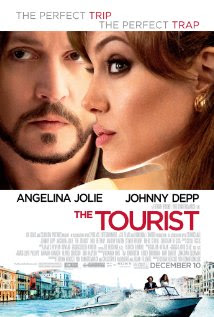
This is the existing poster design that I looked at. It uses a location/establishing shot, to give an idea of the setting of the film, and also uses close ups of the two main characters. The poster was similar to ours as it gave the relevant information such as release dates, however went into more detail such as the production team and celebrity actors.
What have you learned from your audience feedback?
When we were first given out initial brief one of the first steps of the planning stage was to carry out audience research. The first stage was to look at the British Board of Film Classification guidelines for a film with the same age rating as ours, which I found at www.bbfc.co.uk/classification/guidelines/12a12 . After looking at their recommendations of what is suitable to be shown to an audience of this age, and what would be seen as unsuitable or offensive I then created a questionnaire with a short summary of the plot initially came up with, which I gave to a few members of our planned target audience and asked them to complete. It gave us an idea of what people are looking for in a film, what time of characters they thought would fit best within our planned plot, and what would appeal to them and therefore be successful when created. The fact that they had a say in the characters which we used and developed in our film meant that when the audience came to watch the final product they empathised well with the characters, and sided with Rachel. This then made the twist at the end of the story a suprise and unexpected by the audience as they expect Ben to have been cheating. The questions I asked people can be found at: www.welovea2media.blogspot.com/2010/10/audience-research-questionairre.html . This helped us generate characters, and eventually a script that would fit the expectations and preferences of the people who would be potentially viewing our finished film.
We also did face-to-face interviews using the Zoom microphone recording kit with a wider, less specific sample of the audience to gain spoken evidence of what they would expect. This time we used males, rather than just teenage girls like the questionairre.
After creating and successfully editing our film, we created a final set of questions to ask members of the audience as soon as they had watched our final version. One way in which this evaluative audience feedback had a massive influence on the creation and editing of our film was that it highlighted the problems we had overlooked within our final version. We decided that it was unclear that Leanne and Rachel are watching back hand-filmed secret footage through the television when they are at Leanne’s house due to the fact that we had no effect to show the difference in shot. Therefore, after the initial feedback of it being slightly unclear we added a special effect over the shot, to make it look dissimilar to the rest and therefore generated our deffinate end product. I think that overall the changes we made after our audience feedback will make sure the audience interpret the film in the way we intended them to when they see the finished product.
Throughout the main body of our film there is a chance of different possible interpretations as to what is happening, which is deliberate, however I wouldn’t say such differing interpretations would be due to different cultural situations. I think our film would be mutually understood by people from all cultures and backgrounds; however people with certain life experiences may find the plot easier to empathise with than others. Overall, I would say that our media product, and ancillary tasks successfully fulfill the inital task that was given to us; in that we have created a 5 minute film in its entirity and have stuck closesly to the preferences and expectations of the target audience throughout all stages, from the enitial planning and research to the creation and editing.




 the script:


